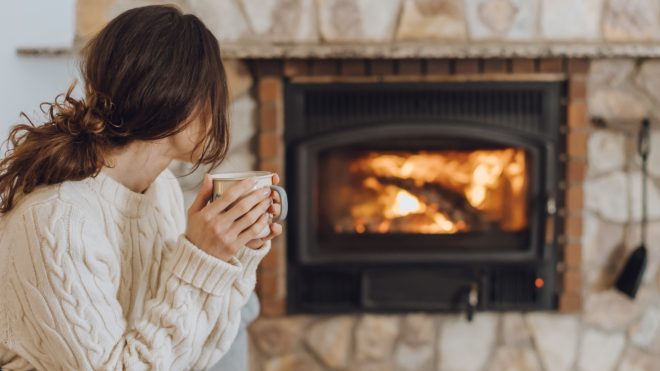
August may seem early to think about lighting a fireplace in Central Florida. Temperatures are still high, air conditioners are working overtime, and cooler evenings can feel months away. However, those first comfortable fall nights have a way of arriving before homeowners have given their fireplaces and chimneys much thought.
Interesting Fact: According to the National Fire Protection Association (NFPA), heating equipment is one of the leading causes of home fires in the United States. Fireplaces, chimneys, and other heating equipment require proper maintenance to help reduce preventable fire hazards.
Florida Fireplaces Still Need Maintenance
It is easy to think chimney maintenance is mainly for homeowners in northern states who use fireplaces throughout the winter.
That isn’t the case.
Central Florida’s fireplace season may be shorter, but every fire produces smoke and combustion byproducts that travel through the chimney. Wood-burning fireplaces can produce soot and creosote deposits.
Meanwhile, the chimney itself remains exposed to Florida weather throughout the entire year.
Heavy rain, humidity, thunderstorms, wind, and intense sunlight can take a toll on exterior chimney components even while the fireplace sits unused.
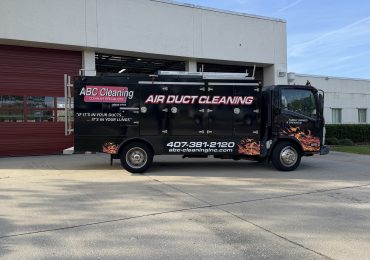
ABC Cleaning, Inc. provides professional chimney cleaning services throughout Orlando and surrounding Central Florida communities.
Internal Resource: ABC Cleaning, Inc. – Chimney Cleaning
https://abc-cleaninginc.com/chimney-cleaning/
What Is Creosote?
If you have a wood-burning fireplace, creosote is a term worth knowing.
Creosote is a combustible residue that can develop as wood burns and combustion gases travel through a chimney. Deposits may accumulate on interior chimney surfaces over time.
How quickly buildup develops depends on several factors, including fireplace use, burning practices, chimney conditions, and the type and condition of the wood being burned.
The important point is simple: creosote can burn.
That is why homeowners should not assume their chimney is ready simply because they only used the fireplace several times last winter.
The Chimney Safety Institute of America (CSIA) provides homeowners with extensive information about chimney safety, inspections, maintenance, and creosote.
External Resource: Chimney Safety Institute of America
https://www.csia.org/
Look at Your Fireplace Before Using It
Homeowners can perform a simple visual check of safely accessible fireplace components before the beginning of fireplace season.
Start with the firebox.
Look for visible cracks, deterioration, loose components, or damaged firebox walls. Prefabricated fireplace panels can deteriorate or crack over time and may eventually require replacement.
Next, examine the damper if it is safely accessible.
The damper should operate correctly so the chimney can properly vent when the fireplace is being used. Rust, deterioration, or mechanical problems can interfere with its operation.
Do not force a damper that will not move.
If something does not look right, have the fireplace professionally evaluated before lighting a fire.
Florida Weather Can Be Tough on Chimneys
A chimney does not get the summer off.
Central Florida’s rainy season can expose chimney systems to significant amounts of water. Exterior components help protect the chimney and fireplace system from moisture intrusion.
One important component is the chimney cap.
A properly installed cap helps protect the chimney opening from rain and debris. If the cap is damaged, missing, loose, or heavily deteriorated, it may need attention.
ABC Cleaning provides chimney covers and caps as part of its chimney services.
Internal Resource: ABC Cleaning, Inc. – Chimney Covers & Caps
https://abc-cleaninginc.com/chimney-covers-caps/
Never climb onto your roof simply to inspect a chimney cap. Roof work creates a serious fall risk, particularly when surfaces are wet or steep. Leave elevated chimney inspection and repair work to trained professionals.
Watch for Signs of Chimney Damage
Chimneys can deteriorate over time.
Cracks, damaged components, water intrusion, and other problems may require repair before the fireplace is used again.
Homeowners should pay attention to warning signs such as:
- Cracks inside the firebox
- Damaged or deteriorating fireplace panels
- Rusted fireplace components
- A damper that does not operate correctly
- Water stains near the fireplace
- Unusual odors
- Loose or damaged chimney components
- Visible exterior deterioration
- Signs that water has entered the chimney
ABC Cleaning, Inc. also offers professional chimney repair services for Central Florida homeowners who discover problems with their fireplace or chimney system.
Internal Resource: ABC Cleaning, Inc. – Chimney Repair
https://abc-cleaninginc.com/chimney-repair/
Why Schedule Chimney Service Before Cooler Weather?
There is a practical advantage to taking care of chimney maintenance before the first cold front arrives.
You have time.
Imagine waiting months for a cool Saturday evening. You buy firewood, invite friends or family over, and prepare to light the fireplace. Then you discover that the damper is stuck, the firebox has damage, or the chimney needs cleaning.
Your relaxing evening suddenly becomes a maintenance problem.
Scheduling service ahead of fireplace season allows time to identify and address issues before you want to use the system.
Burn the Right Firewood
Once your fireplace has been inspected and is ready to use, good burning practices remain important.
For wood-burning fireplaces, properly seasoned firewood is generally the better choice. Wet or unseasoned wood can create more smoke and contribute to poor burning conditions.
Do not use your fireplace as a household trash burner.
Avoid burning plastics, garbage, painted wood, treated lumber, wrapping paper, and other inappropriate materials.
The U.S. Environmental Protection Agency’s Burn Wise program provides information about cleaner wood-burning practices and choosing properly seasoned firewood.
External Resource: U.S. EPA – Burn Wise
https://www.epa.gov/burnwise
Fireplace Safety Doesn’t Stop at the Chimney
Chimney maintenance is only part of responsible fireplace use.
Keep combustible materials a safe distance from the fireplace. Use an appropriate fireplace screen or other protection when required by the fireplace design.
Never leave an active fire unattended.
Before going to bed or leaving the house, make sure the fire is completely out.
Homes should also have working smoke alarms. Test them regularly and replace batteries or alarms according to manufacturer recommendations.
Carbon monoxide alarms are another important layer of household protection.
The U.S. Fire Administration provides additional guidance for heating and home fire safety.
External Resource: U.S. Fire Administration – Heating Fire Safety
https://www.usfa.fema.gov/prevention/home-fires/prevent-fires/heating/
Don’t Assume an Unused Chimney Is Problem-Free
Some Central Florida homeowners may go an entire year without using their fireplace.
That does not necessarily mean the chimney has remained unchanged.
Weather exposure, moisture, deterioration, and other conditions can develop regardless of how frequently you burn fires.
If you cannot remember the last time your fireplace and chimney were professionally evaluated, consider having them checked before returning the system to regular use.
Frequently Asked Questions
Do Central Florida chimneys really need cleaning?
Yes, when soot, creosote, or other debris has accumulated and cleaning is warranted. Florida’s warmer climate does not prevent chimney deposits from forming when a wood-burning fireplace is used.
What if I only used my fireplace a few times last year?
Light use does not automatically mean the chimney is ready for another season. Previous deposits, weather exposure, and the overall condition of the chimney should still be considered.
Can I inspect my own chimney?
You can visually check safely accessible areas around your fireplace. However, homeowners should not climb onto roofs or attempt to inspect inaccessible chimney components themselves.
What does a chimney cap do?
A chimney cap helps protect the chimney opening from rain and debris. Damaged or missing caps should be addressed.
When should I schedule chimney service in Central Florida?
Late summer and early fall can be excellent times because you can identify maintenance or repair needs before the first cool nights create demand for fireplace use.
Get Your Fireplace Ready Before You Need It
Central Florida may not experience months of freezing temperatures, but fireplaces still need proper care. Taking time before fireplace season to address creosote, damaged firebox components, damper problems, chimney deterioration, and water-related issues can help you enjoy your fireplace with greater confidence when temperatures finally drop.
ABC Cleaning, Inc. has been family-owned and operated since 1992, providing professional chimney cleaning, chimney repairs, chimney covers and caps, and other home maintenance services throughout Orlando and surrounding Central Florida communities. Don’t wait until the first cold front arrives to discover that your fireplace needs attention. Contact ABC Cleaning, Inc. today or call (407) 381-2120 to schedule your chimney service and get your fireplace ready for the cooler months ahead.